
Hario
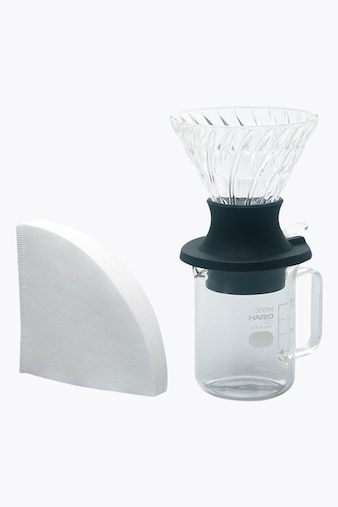
Hario Immersion Dripper Switch Set
€66.99
Hario
Hario Immersion Dripper Switch Set
€66.99

Hario
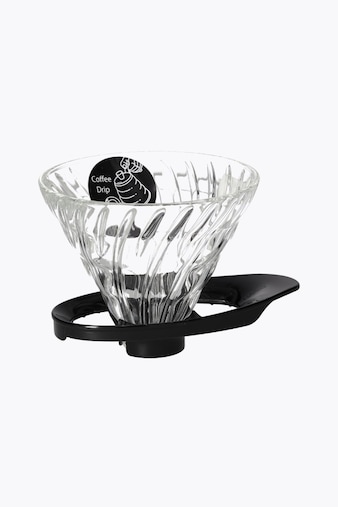
Hario V60 Glass Dripper 02 Coffee Filter (Hand Filter) Black
€21.99

Hario
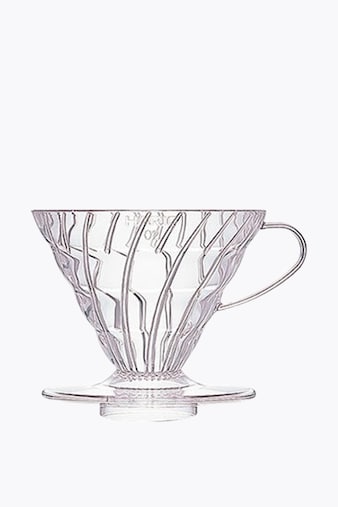
Hario V60 Dripper 02 Clear Coffee Filter (Hand Filter)
€7.99€10.99

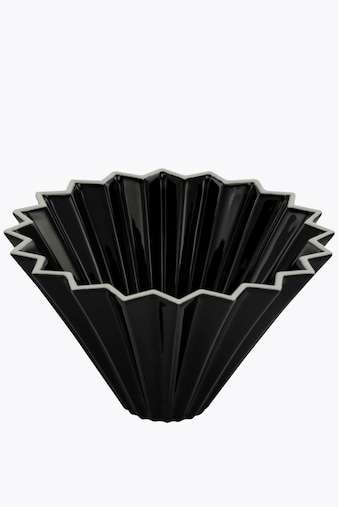
Origami
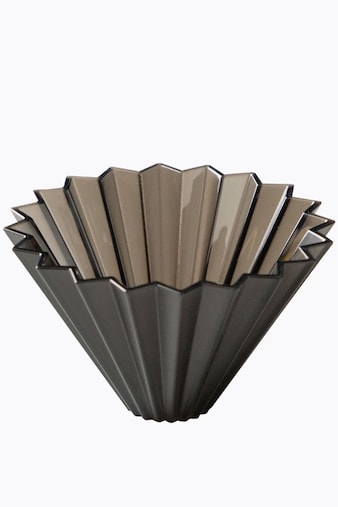
Origami Air Dripper M Black
€19.99

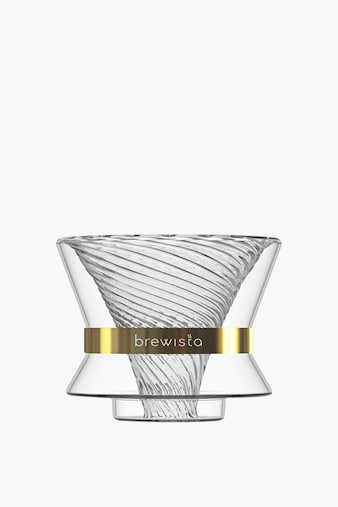
Origami
Origami Ceramic Filter M Black
€35.99

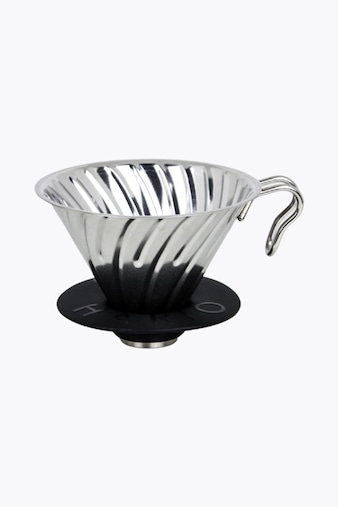
Brewista
Brewista Tornado Duo Double Wall Glass Dripper
€49.99

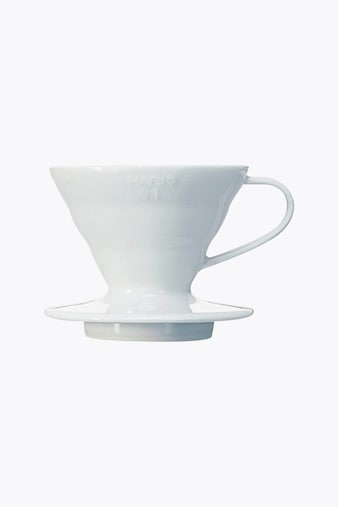
Hario
Hario V60 Metal Dripper 02 Stainless Steel Coffee Filter (Hand Filter)
€39.99

Hario
Hario V60 Dripper 01 Ceramic Coffee Filter (Hand Filter) white
€19.99
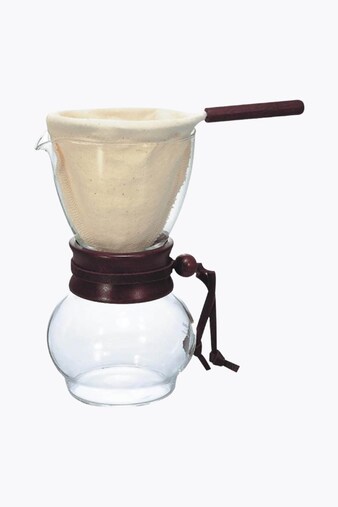

Hario
Hario Drip Pot Woodneck 240ml
€57.99
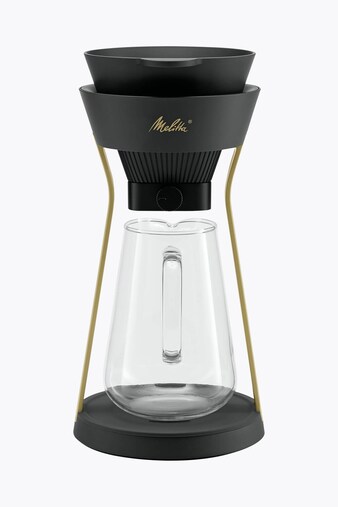

Melitta Pour Over
Melitta® Amano Coffee Brewer Black-Gold
€170.99
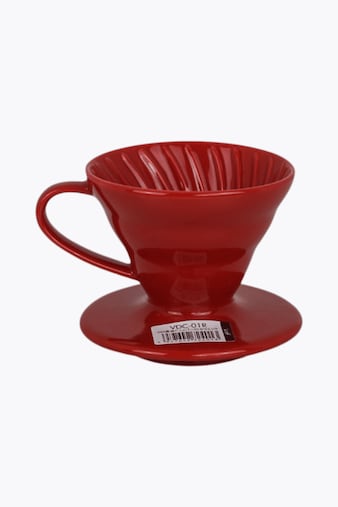

Hario
Hario V60 Dripper 01 Ceramic Coffee Filter (Hand Filter) red
€24.99
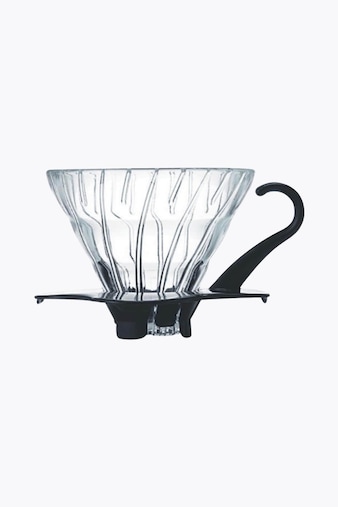

Hario
Hario V60 Glass Coffee Dripper 01 Coffee Filter (Hand Filter) Black
€20.99
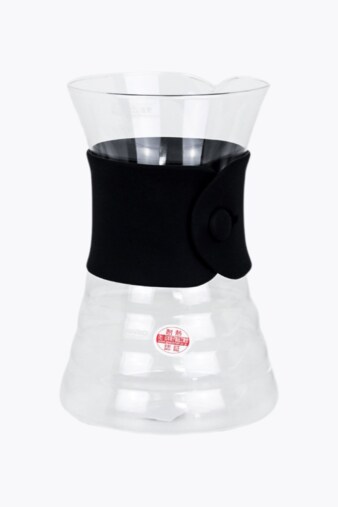

Hario
Hario V60 Drip Decanter 700ml
€30.99
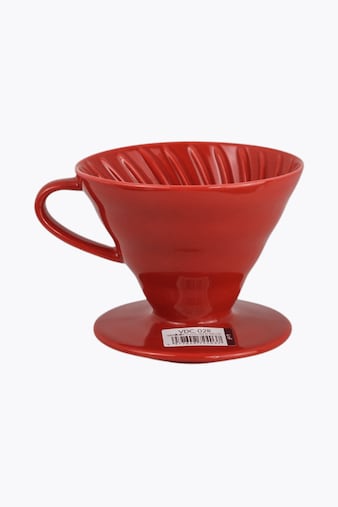

Hario
Hario V60 Dripper 02 Ceramic Coffee Filter (Hand Filter) Red
€26.99
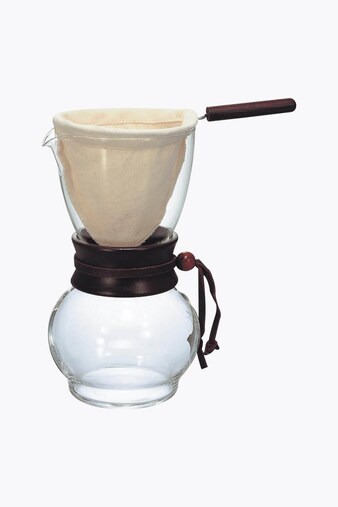

Hario
Hario Drip Pot Woodneck 480ml
€49.99
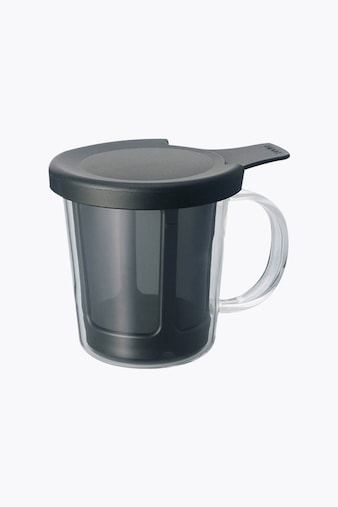

Hario
Hario One Cup Coffee Maker
€23.99
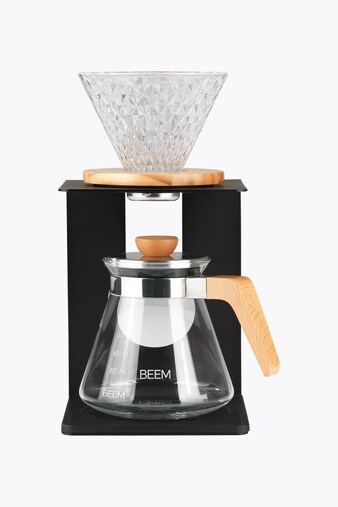

BEEM
BEEM Coffee Brewer Set Pour Over 4-piece 600ml Black/Stainless Steel
€69.99
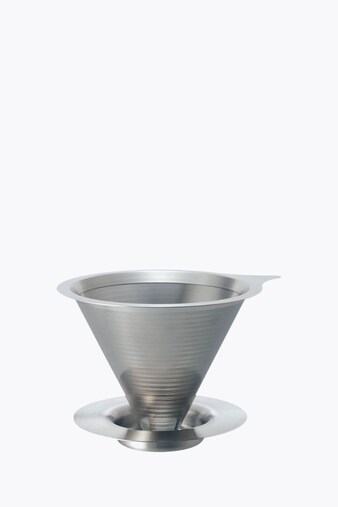

Hario
Hario Mesh Metal Dripper 01 Coffee Filter (Hand Filter)
€38.99
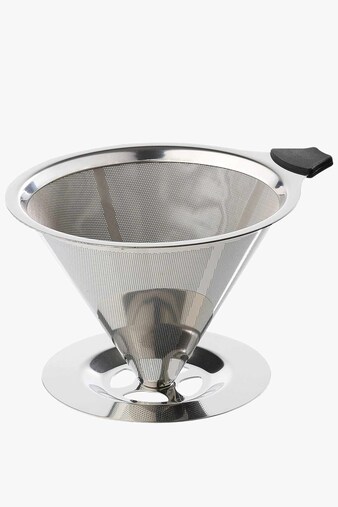

cilio
cilio permanent filter with stand, stainless steel
€29.99
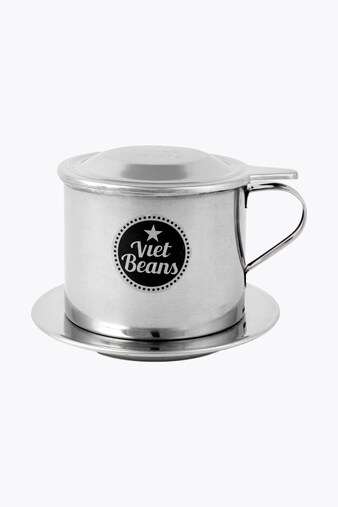

VietBeans
VietBeans Filter Phin 100ml
€11.99
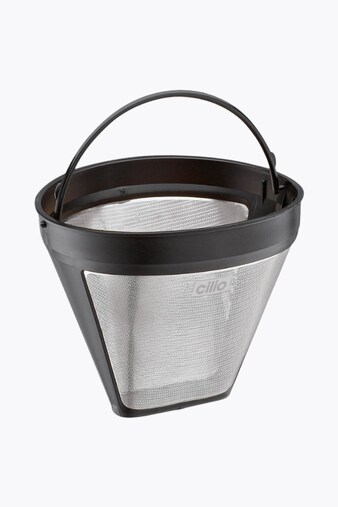

cilio
cilio permanent coffee filter stainless steel size 4
€15.99
Pour-Over Brewers are built for anyone who wants more control over extraction, flow, and cup profile than automatic brewing usually allows. That matters when coffee should taste cleaner, more layered, and more responsive to grind size, pouring speed, and recipe changes. Manual brewing slows the process down in the right way and makes it easier to bring out sweetness, structure, and aroma with greater accuracy. For anyone refining filter coffee at home, pour-over brewers create a setup where brewing decisions have a direct effect on the final cup.
:format(webp))
Some pour-over brewers are designed for a fast and bright extraction, while others support a slower drawdown and a fuller body. That difference can come from the dripper angle, the number and shape of the ribs, the filter design, and the material itself. Ceramic, glass, plastic, and metal each shape handling, heat retention, and workflow in a slightly different way. Choosing between a classic cone dripper, a more design-led carafe-based system, or a simpler everyday manual setup becomes easier when brewing style, batch size, and the preferred level of control are considered together with the rest of the coffee makers range.
Buying guidance for this field starts with the details that shape extraction. A pour-over brewer works best when paired with the right paper filters, a reliable coffee grinder, and a stable pouring routine. Grind consistency has a strong impact on clarity and balance, and water control matters just as much, which is why many setups are refined further with electric kettles or dedicated brewing kettles. The right brewer should not only fit visually and materially, but also support the dose, flow rate, and extraction style that make a preferred coffee profile easier to repeat.
:format(webp))
Manual brewing gets more useful when the brewer is matched with the right coffee and the right support tools. A lighter and more expressive cup can be explored with coffee for pour-over, while broader comparisons become easier through related aroma directions such as fruity notes, floral notes, or nutty notes. It also helps to refine the setup with filter coffee accessories, coffee scales, and complementary brewers such as Chemex or AeroPress when comparing workflow, body, and cup clarity.
A Pour-Over Brewer is a manual coffee maker for filter coffee. The brewer sits on a cup or server, a paper filter is placed inside, and hot water is poured slowly over the coffee grounds. This allows direct control over the full brewing process.
Brewing with a Pour-Over Brewer offers direct control over brew time, pouring, and coffee dose. It also needs little space, is easy to clean, and can highlight fine flavour notes especially well when used with freshly ground coffee.
A medium grind is usually best for a Pour-Over Brewer. If the grounds are too fine, the coffee can become harsh or over-extracted. If they are too coarse, the cup may taste thin and underdeveloped.
A basic pour-over setup usually includes a brewer, matching filter papers, freshly ground coffee, and a cup or server. A coffee scale and a kettle with a controlled spout are also very useful for more precise brewing.
Pour-Over Brewers often pair especially well with lighter roast coffees because they can bring out clarity and detailed flavour notes. Single origin coffees can be particularly expressive with this brewing method.
The coffee world is constantly evolving. Current trends include Cold Brews, where coffee is extracted cold over many hours, resulting in a particularly smooth finish. "Light Roasts" with fruity notes and "Micro Roasts" from small specialty roasters are also enjoying great popularity. These trends invite experimentation and continually offer new taste experiences.