New in
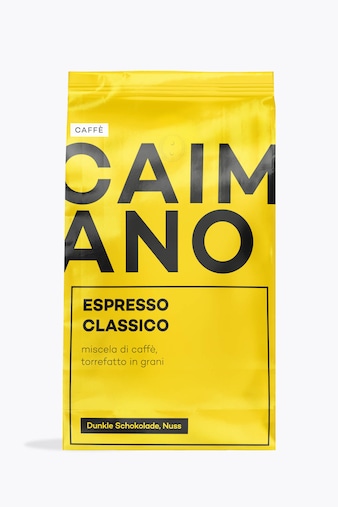


Caffè Caimano
Caffè Caimano Espresso Classico 1kg
€24.99
€24.99 / 1 kg
Caffè Caimano
Caffè Caimano Espresso Classico 1kg
€24.99
€24.99 / 1 kg
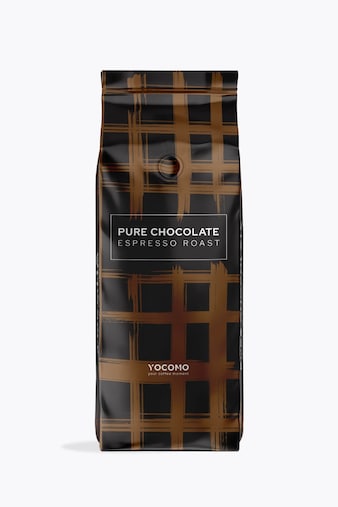


YOCOMO
YOCOMO Pure Chocolate Espresso Roast 1kg
€25.99
€25.99 / 1 kg


Gorilla
Gorilla Superbar Crema 1kg
€22.99
€22.99 / 1 kg
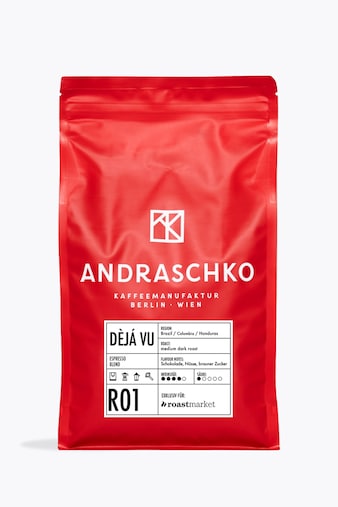
Andraschko
Andraschko Déjà vu 1kg
€35.99
€35.99 / 1 kg
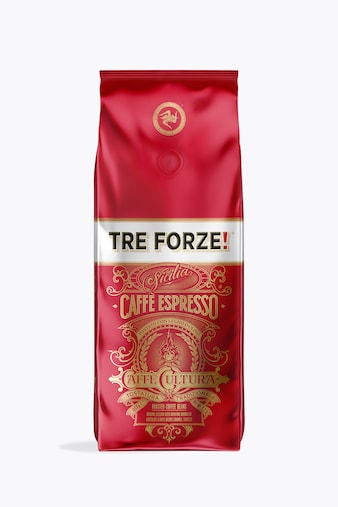


Tre Forze
TRE FORZE! Espresso Coffee 1kg
€42.99
€42.99 / 1 kg
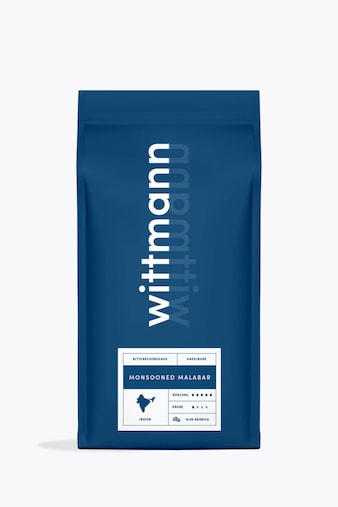


Wittmann Kaffee
Wittmann Kaffee Monsooned Malabar 1kg
€36.99
€36.99 / 1 kg
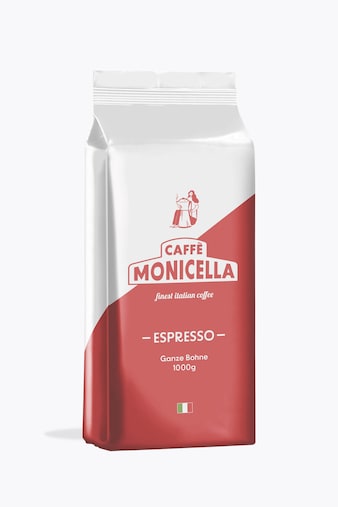

Caffè Monicella
Caffè Monicella Espresso 1kg
€23.99
€23.99 / 1 kg
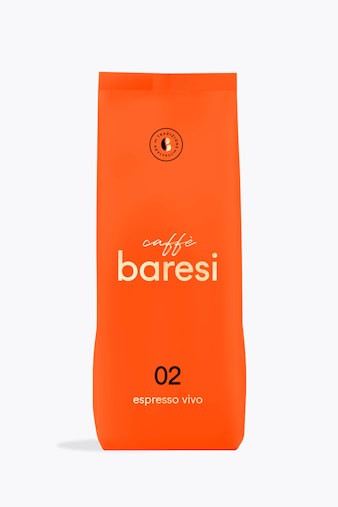


caffè baresi
caffè baresi Espresso Vivo 1kg
€33.99
€33.99 / 1 kg
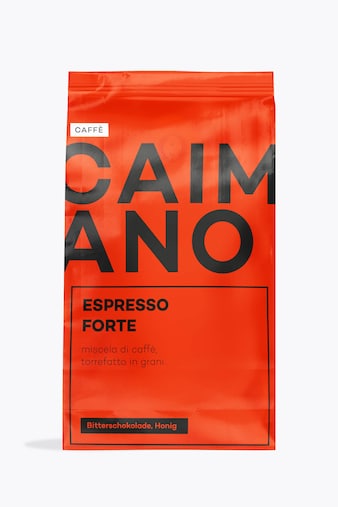


Caffè Caimano
Caffè Caimano Espresso Forte 1kg
€25.49
€25.49 / 1 kg
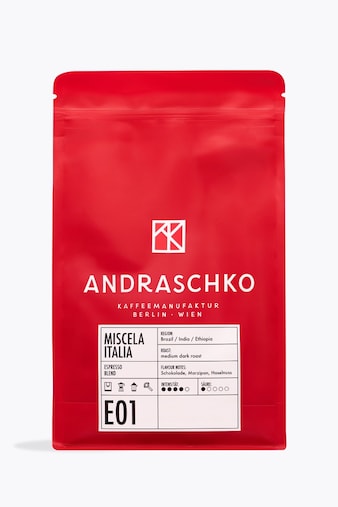
Andraschko
Andraschko Miscela Italia 1kg
€34.99
€34.99 / 1 kg
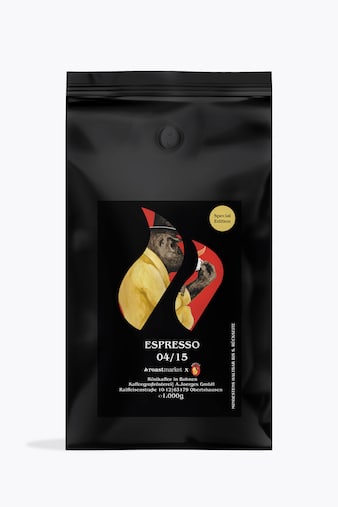

Gorilla
Gorilla Espresso 04/15 Special Edition 1kg
€24.99
€24.99 / 1 kg
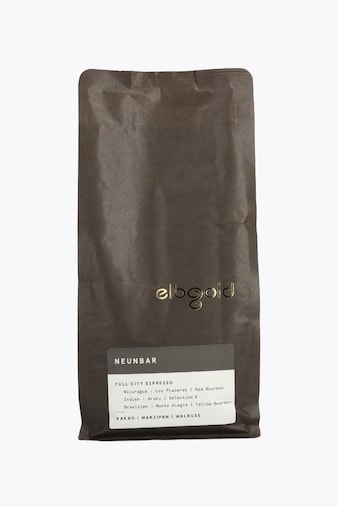
Elbgold
Elbgold Espresso Neunbar 1kg
€35.99
€35.99 / 1 kg
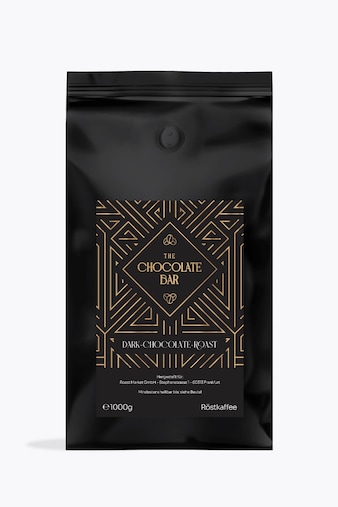

The Chocolate Bar
The Chocolate Bar 1kg
€25.99
€25.99 / 1 kg
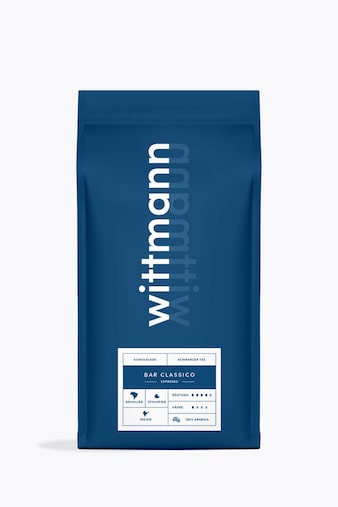


Wittmann Kaffee
Wittmann Kaffee Bar Classico 1kg
€34.99
€34.99 / 1 kg
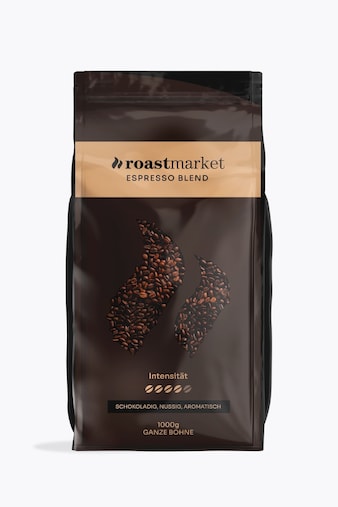

roastmarket Blends
roastmarket Espresso Blend 1kg
€21.99
€21.99 / 1 kg
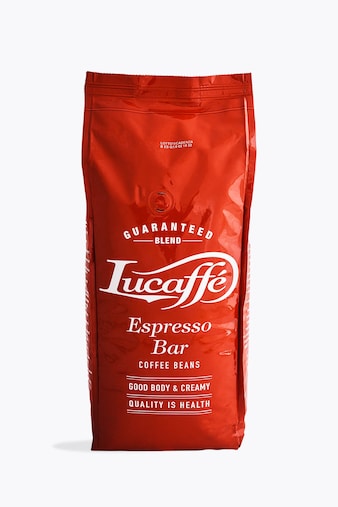

Lucaffé
Lucaffé Espresso Bar 1kg
€22.99
€22.99 / 1 kg
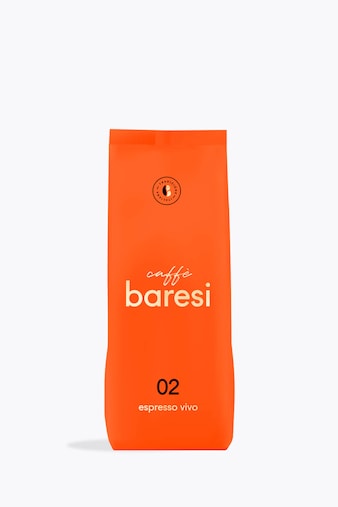
caffè baresi
caffè baresi Espresso Vivo 250g
€9.99
€39.96 / 1 kg
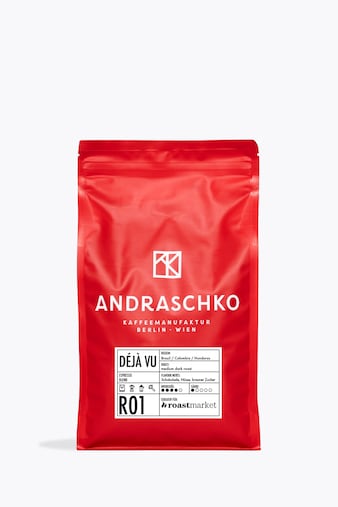
Andraschko
Andraschko Déjà vu 250g
€9.99
€39.96 / 1 kg
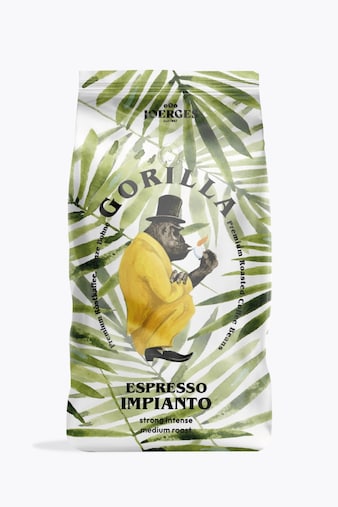

Gorilla
Gorilla Espresso Impianto 1kg
€26.99
€26.99 / 1 kg
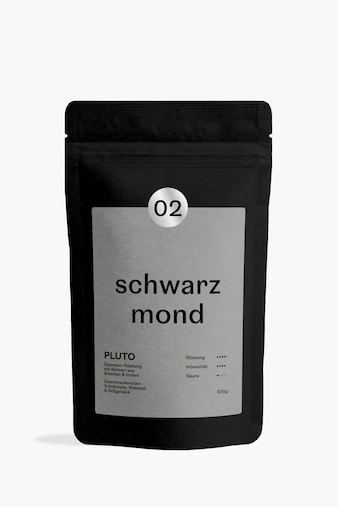


Schwarzmond
Schwarzmond Pluto 500g
€19.99
€39.98 / 1 kg
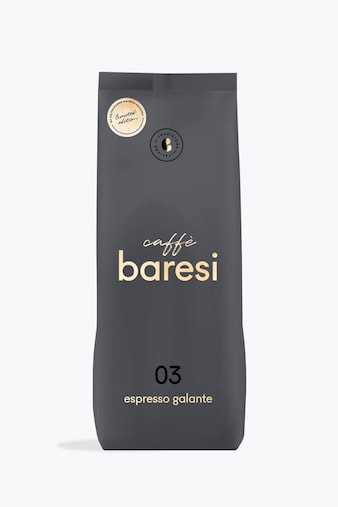


caffè baresi
caffè baresi Espresso Galante Limited Edition Papua New Guinea 1kg
€38.99
€38.99 / 1 kg
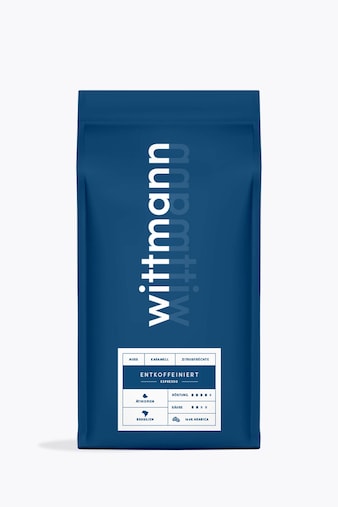


Wittmann Kaffee
Wittmann Kaffee Decaffeinated 1kg
€37.99
€37.99 / 1 kg
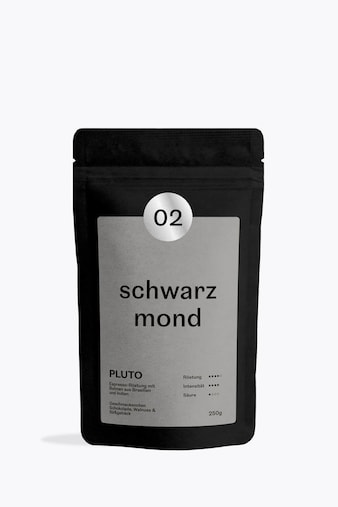
Schwarzmond
Schwarzmond Pluto 250g
€10.49
€41.96 / 1 kg
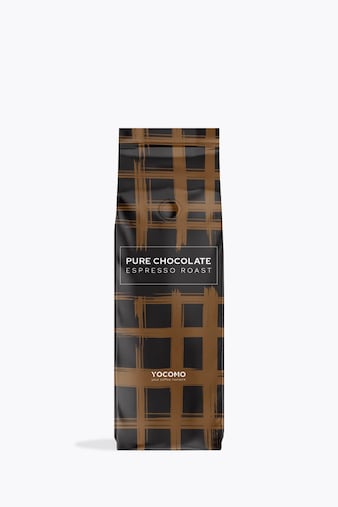
YOCOMO
YOCOMO Pure Chocolate Espresso Roast 250g
€8.49
€33.96 / 1 kg
Espresso is defined by texture, and a short extraction that turns a small amount of coffee into a dense and aromatic cup. The method depends on finely ground coffee, pressure, and a roast profile that can develop body, sweetness, and crema without losing balance. That makes espresso different from longer brewed styles such as filter coffee. Espresso is often chosen by coffee drinkers who want intensity, structure, and a strong foundation for both straight shots and milk-based drinks, whether the setup centers on a classic portafilter machine or a more automated routine.
:format(webp))
Different espresso coffees respond differently in the cup depending on blend ratio, roast depth, and brewing setup. Arabica-led coffees can bring more nuance and layered aroma, while Robusta content often supports crema, body, and a firmer texture. Many espresso drinkers prefer a blend that combines both, especially when the coffee needs to work across straight espresso, cappuccino, and caffè crema. Roast style also matters. Medium-dark and dark profiles are common because they suit short extraction well, while lighter styles can create a more modern profile when the machine, grinder, and recipe are dialed in precisely. Espresso can also be compared by format, from whole beans to ground coffee, as well as coffee capsules and coffee pods for different preparation routines.
Buying guidance for espresso should focus on roast freshness, blend structure, grind compatibility, and the way a coffee performs in the intended machine. A coffee that works beautifully in a espresso machine may behave differently in a fully automatic coffee machine or a moka pot, so preparation method should always guide the choice. Flavor direction matters just as much. Some coffees lean toward deeper chocolate notes and a fuller body, while others bring more nutty notes, sweetness, or a livelier aromatic edge. A dependable coffee grinder, the right dose, and careful storage in coffee canisters all support more consistent results.
:format(webp))
roastmarket supports espresso decisions by making it easier to compare coffees through roast style, bean type, preparation method, and related equipment. That helps refine an espresso setup step by step, whether the focus is on classic espresso, a broader selection of coffee for espresso machines, or complementary options such as decaffeinated coffee, organic coffees, and curated tasting sets. The same approach also connects espresso with matching coffee machines, specialist espresso machine accessories, and the broader world of coffee for a more complete home barista routine.
Espresso is brewed with finely ground coffee under pressure and with much less water than longer coffee preparations. That creates a smaller cup with more body, a denser texture, and a distinct crema. The result is not simply stronger coffee, but a different extraction style with its own flavor structure.
Espresso often works best with coffees that can build body, sweetness, and balance in a short extraction. Many drinkers choose medium-dark to dark roasts, either as pure Arabica coffees or as blends with Robusta for more crema and structure. The best choice depends on taste preference and the machine used for preparation.
Arabica usually brings more aromatic complexity and a softer profile, while Robusta often adds crema, intensity, and a firmer texture. In espresso, blends that combine both are common because they can create a balanced cup with structure and sweetness. A higher Robusta share is often chosen for a more classic, fuller-bodied style.
Yes, espresso is a common base for milk drinks because its body remain noticeable when milk is added. Coffees with chocolate, nutty, or caramel-like flavor profiles are often especially suitable for cappuccino and similar recipes. A balanced espresso can work both as a straight shot and in a broader home coffee routine.
roastmarket helps narrow the decision through roast style, bean type, preparation method, and compatible equipment instead of relying on generic labels alone. That makes it easier to compare coffees for different machines, discover tasting sets for side-by-side testing, and build a setup with the right grinder, accessories, and storage for more reliable espresso preparation.


