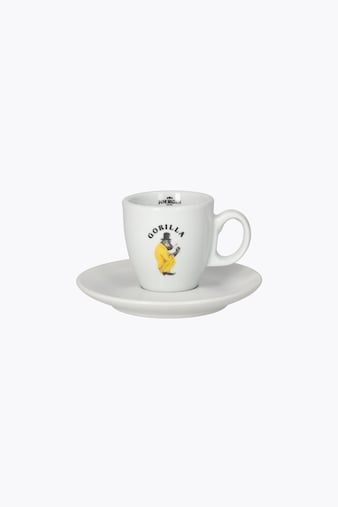

Gorilla
Gorilla Espresso Cup
44,00 zł
Gorilla
Gorilla Espresso Cup
44,00 zł
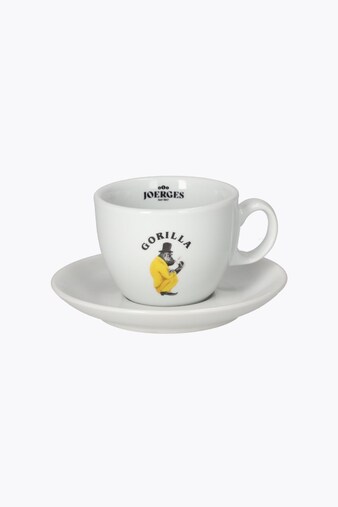

Gorilla
Gorilla Cappuccino Cup
53,00 zł
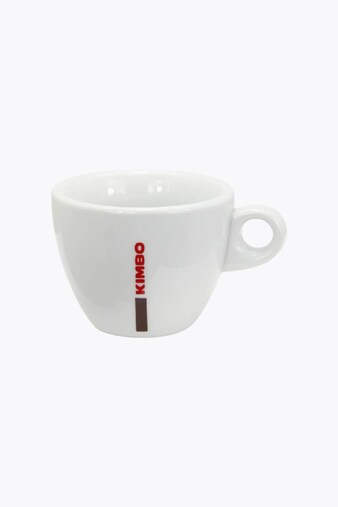

Kimbo
Kimbo Cappuccino Cup - Bar Collection
27,00 zł
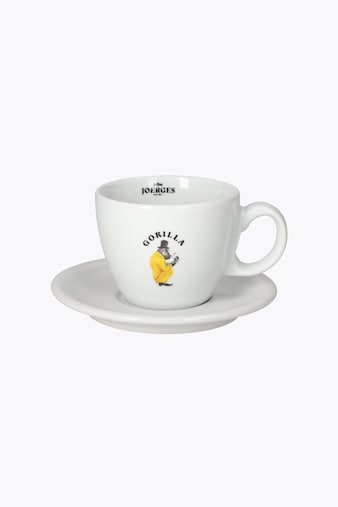

Gorilla
Gorilla Caffé Latte Cup
61,00 zł
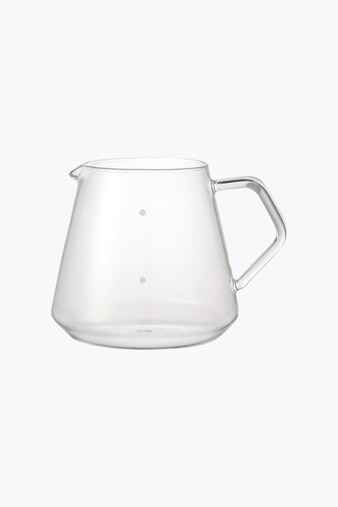


Kinto
Kinto SCS-S02 Glass Pot 2 Cups
70,00 zł
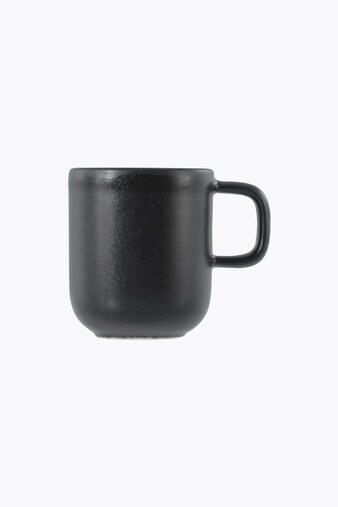

CreaTable
CreaTable Unico espresso cup 80ml black
66,00 zł
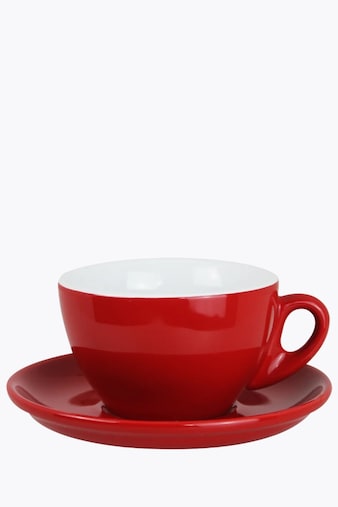
cilio
cilio Cappuccino Cup Roma Amarena
79,00 zł
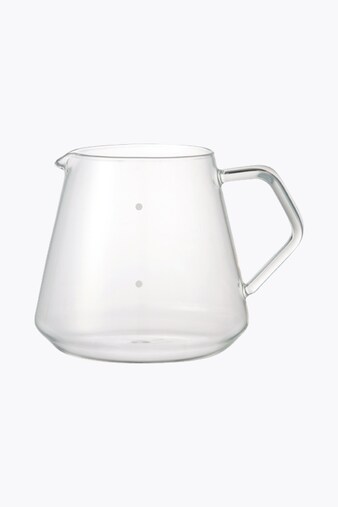
Kinto
Kinto SCS-S02 Glass Pot 4 Cups
83,00 zł
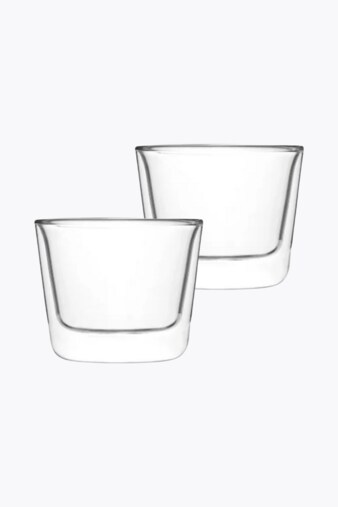

Varia Brewing
Varia Sip Glasses Set of 2, 95 ml
83,00 zł
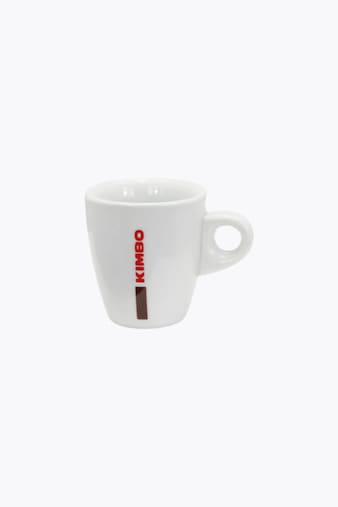

Kimbo
Kimbo Espresso Cup - Bar Collection
22,00 zł
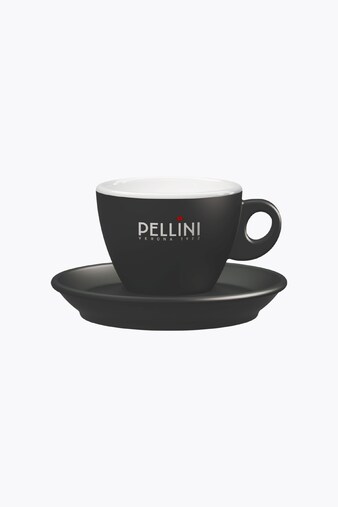

Pellini
Pellini Cappuccino Cup
35,00 zł
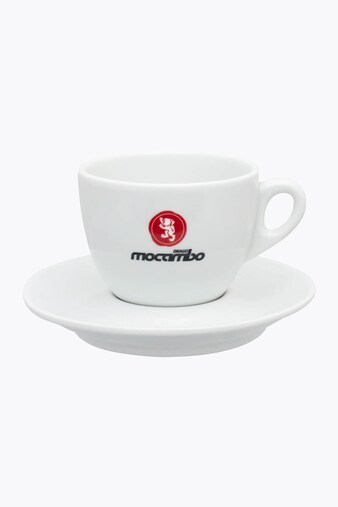

Drago Mocambo
Drago Mocambo Cappuccino Cup
40,00 zł
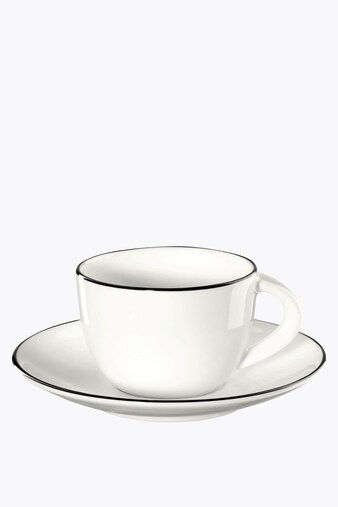

ASA Selection
ASA Selection espresso cup with saucer ligne noire
57,00 zł59,00 zł
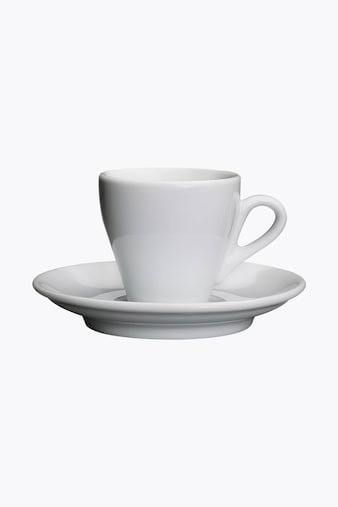

cilio
cilio Espresso Cup Milano white
35,00 zł
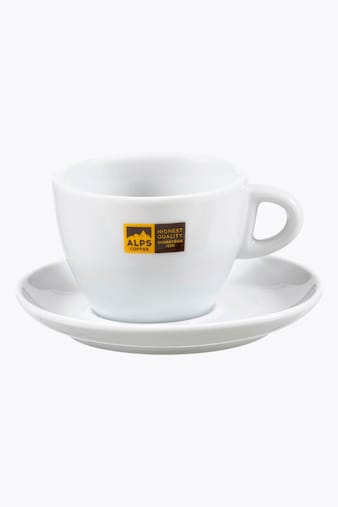

Alps Coffee
Alps Coffee Cappuccino Cup
27,00 zł
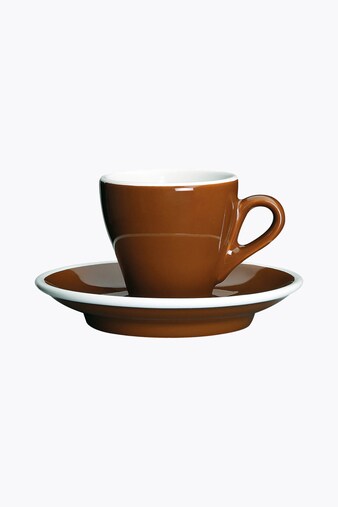

cilio
cilio Espresso Cup Milano Marone
53,00 zł
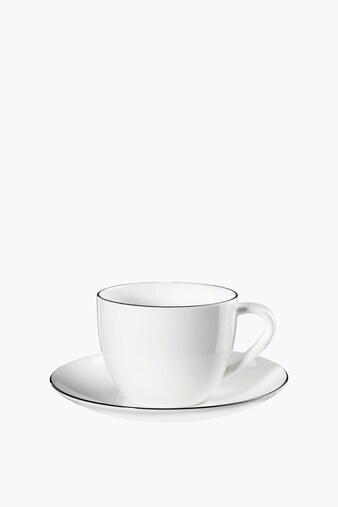

ASA Selection
ASA Selection cappuccino cup with saucer ligne noire
66,00 zł
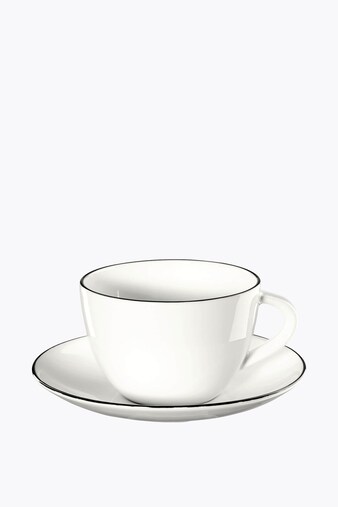

ASA Selection
ASA Selection coffee cup with saucer ligne noire
61,00 zł64,00 zł
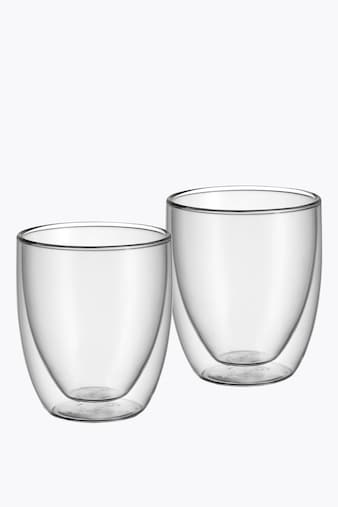

WMF
WMF Kult Cappuccino Thermal Glasses 2 Pieces
79,00 zł83,00 zł
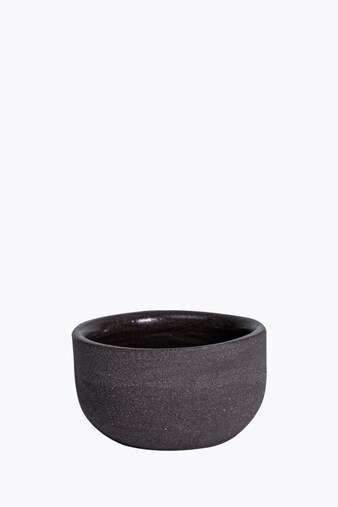

MURA MURA Ceramics
MURA MURA Ceramics KUMO Espresso Cup Gray/Black
92,00 zł96,00 zł
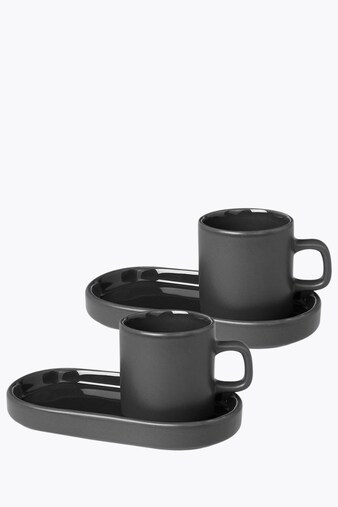

Blomus
Blomus Pilar Agave Green 2-Piece Espresso Cup Set
113,00 zł
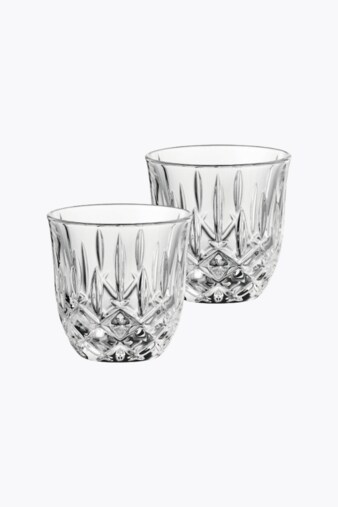

Nachtmann
Nachtmann Noblesse Espresso Glass Set of 2
57,00 zł61,00 zł
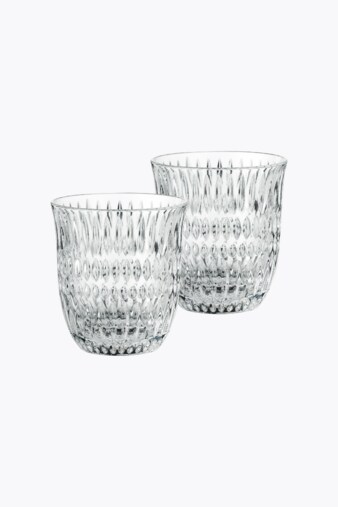

Nachtmann
Nachtmann Ethno Espresso Glass 2-Piece Set
57,00 zł61,00 zł
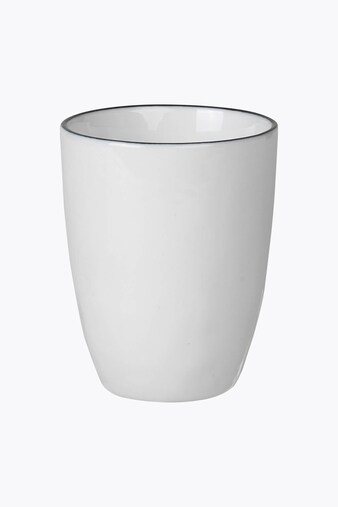

Broste Copenhagen
Broste Copenhagen Espresso Cup "Salt"
40,00 zł44,00 zł
roastmarket Coffee Cups & Pots shape the way coffee feels, holds heat, and presents aroma from the first sip onward. The right cup supports crema, milk texture, and balance, while the right pot helps keep brewed coffee at the right serving temperature for longer. Espresso calls for compact forms with a focused opening, filter coffee benefits from comfortable volume, and milk-based drinks work best with shapes that leave space for foam and layering. Choosing well makes daily coffee routines more precise, more enjoyable, and easier to match with personal drinking habits.
:format(webp))
Different brewing styles call for different formats. Small espresso cups concentrate aroma and help retain heat, while larger coffee cups work better for filter coffee, café crema, or long black styles. Cappuccino cups support a balanced ratio of espresso, milk, and foam, and taller glass options highlight layered drinks visually. Material also changes the experience. Porcelain tends to feel refined and clean, stoneware often offers a more substantial hand feel, and glass puts color, texture, and layering in full view. Matching size and material to drink preference creates a more coherent setup and a more satisfying coffee moment.
Good coffee cups and pots are defined by more than appearance. Wall thickness affects heat retention, rim shape influences mouthfeel, and handle design changes comfort in everyday use. Pot capacity matters when brewing for one person or serving several cups at once, and the material should fit the intended routine, whether that means daily dishwasher use, a more delicate table setting, or a sturdy option for regular serving. For manual brewing, pairing cups and pots with the right preparation method also matters, especially when the setup is built around filter coffee, espresso, or slower brewing rituals that reward precision and temperature stability.
:format(webp))
A well-matched coffee setup rarely ends with the cup alone. Serving coffee with the right vessel becomes even more consistent when combined with suitable coffee machines, precise coffee grinders, and practical accessories that support preparation and serving. Milk drinks benefit from pairing cups with milk frothers or milk pitchers, while manual brewing routines often work best alongside filter coffee accessories and brewers such as pour-over brewers or a French press. This makes it easier to refine each detail around taste, workflow, and the kind of coffee served most often.
Choosing coffee cups starts with the drink itself. Espresso needs a smaller cup that helps retain heat and keeps aromas focused, while larger cups work better for filter coffee, café crema, or milk-based drinks. Material, wall thickness, and shape also influence heat retention, mouthfeel, and how the coffee is presented at the table.
Porcelain, stoneware, ceramic, and glass all create different drinking experiences. Porcelain often feels refined and keeps the look classic, while stoneware and ceramic can feel more substantial in the hand. Glass is especially useful for layered drinks because it shows texture and color clearly. The best choice depends on preferred drink style, handling, and everyday use.
Espresso cups are smaller and designed to support concentrated coffee with stable temperature and a compact aroma profile. Coffee cups are usually larger and better suited to longer drinks such as filter coffee or café crema. The difference is not only size, but also how the shape supports the style of coffee being served.
Coffee cups influence more than presentation. Shape, rim, and wall thickness affect how heat is held, how aromas are perceived, and how the coffee feels while drinking. A well-matched cup can make espresso feel more focused, milk drinks more balanced, and filter coffee more comfortable to enjoy over a longer period.
Milk-based drinks often work best in cups with enough volume for espresso, milk, and foam to sit in balance. Cappuccino cups are typically shaped to support that ratio well, while larger formats may suit latte-style drinks better. Glass options can also be useful when the visual layering of milk and coffee is part of the experience.
roastmarket helps narrow the choice by combining different cup styles, materials, and serving formats with a broader coffee setup. That makes it easier to match cups with coffee machines, coffee grinders, and useful accessories, so the final setup supports both preparation style and everyday coffee habits.


