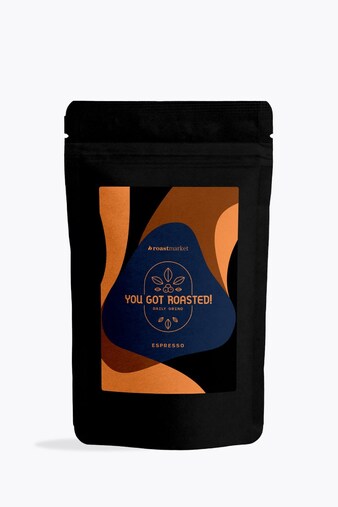


roastmarket you got roasted
roastmarket you got roasted! Espresso Daily Grind Organic 500g
20.00 CHF
40.00 CHF / 1 kg
roastmarket you got roasted
roastmarket you got roasted! Espresso Daily Grind Organic 500g
20.00 CHF
40.00 CHF / 1 kg
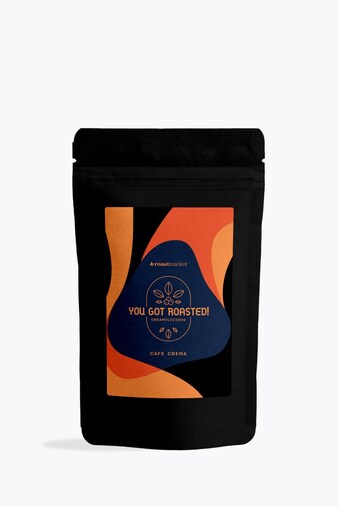


roastmarket you got roasted
roastmarket you got roasted! Cafe Crema Creamylicious Organic 250g
12.00 CHF
48.00 CHF / 1 kg
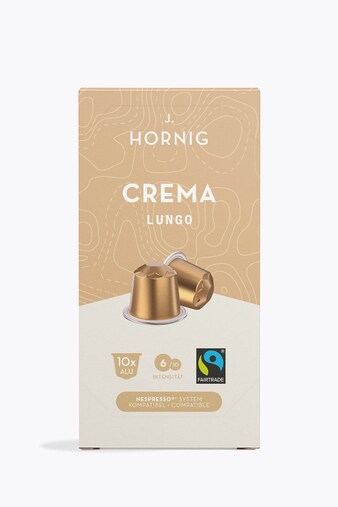

J. Hornig
J. Hornig Crema Lungo 10 Capsules Nespresso® Compatible
5.00 CHF
87.72 CHF / 1 kg
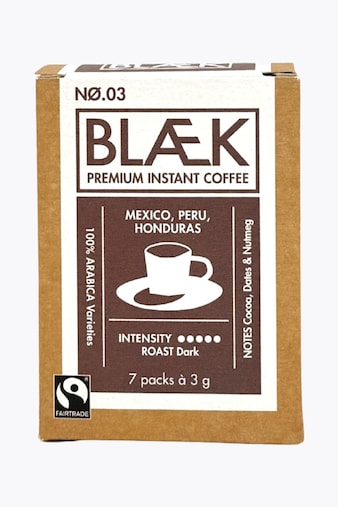

Blaek
BLÆK Organic Instant Coffee No. 3 Dark Blend 21g
6.00 CHF
285.71 CHF / 1 kg
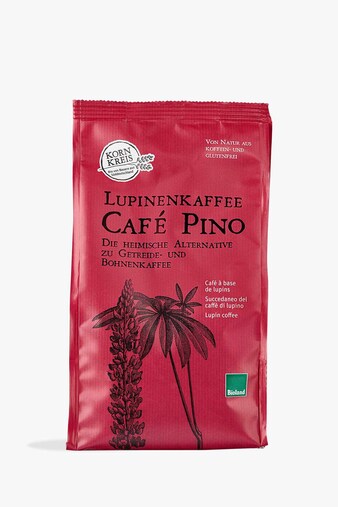

Kornkreis
Kornkreis Café Pino Lupine Coffee Organic 500g Ground
8.00 CHF
16.00 CHF / 1 kg
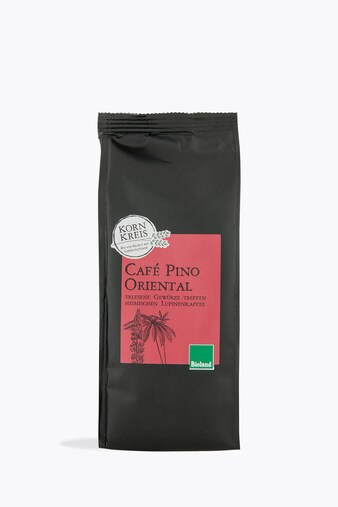

Kornkreis
Kornkreis Café Pino Oriental Lupin Coffee Organic 250g Ground
6.00 CHF
24.00 CHF / 1 kg
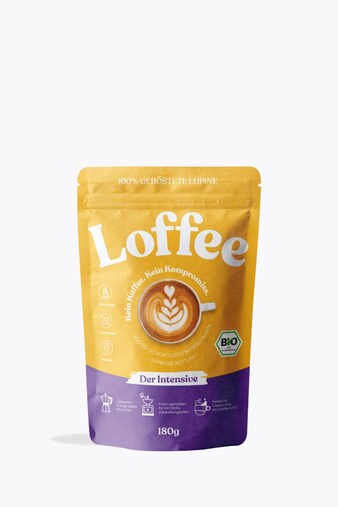


Loffee
Loffee The Intense Lupin Coffee Organic 180g Ground
4.00 CHF
22.22 CHF / 1 kg
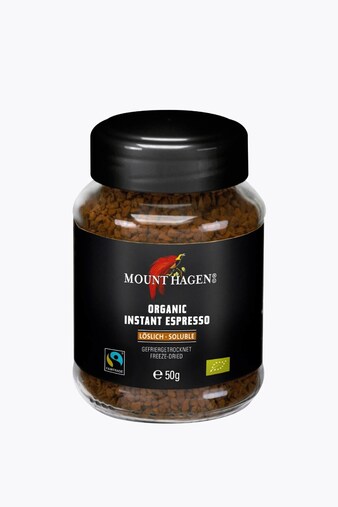

Mount Hagen
Mount Hagen Organic Instant Espresso Bio Fairtrade 50g
5.00 CHF
100.00 CHF / 1 kg
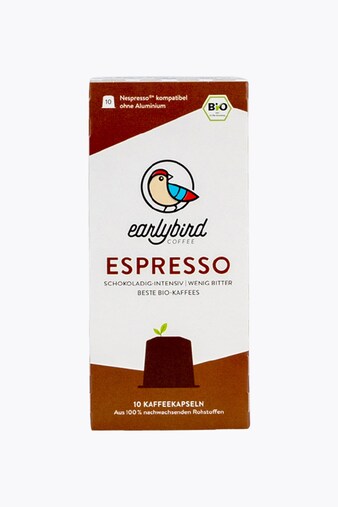

earlybird coffee
earlybird coffee Espresso Organic 10 Capsules Nespresso® Compatible
4.00 CHF
76.92 CHF / 1 kg
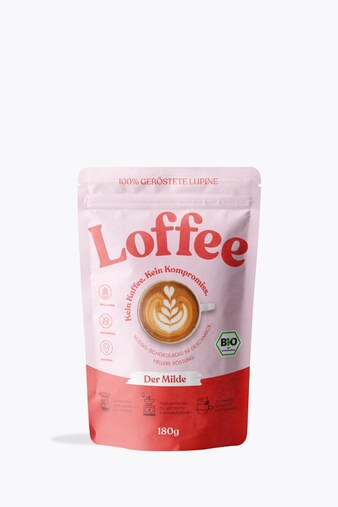

Loffee
Loffee The Mild Lupine Coffee Organic 180g Ground
4.00 CHF
22.22 CHF / 1 kg
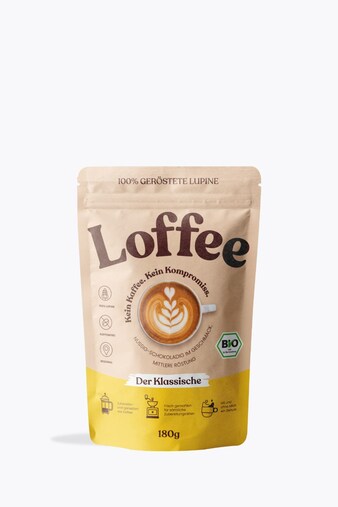


Loffee
Loffee The Classic Lupin Coffee Organic 180g ground
4.00 CHF
22.22 CHF / 1 kg
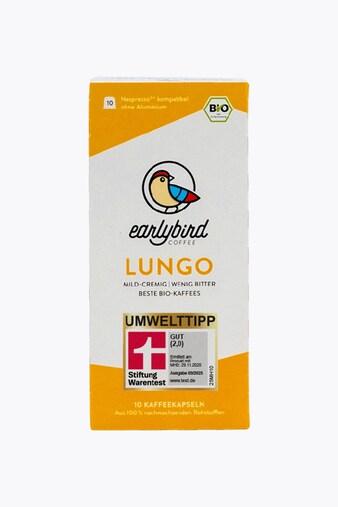

earlybird coffee
earlybird coffee Lungo Organic 10 Capsules Nespresso® Compatible
4.00 CHF
76.92 CHF / 1 kg
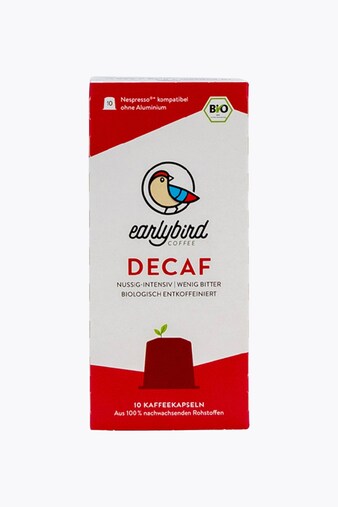

earlybird coffee
earlybird coffee Decaf Organic 10 Capsules Nespresso® Compatible
5.00 CHF
96.15 CHF / 1 kg
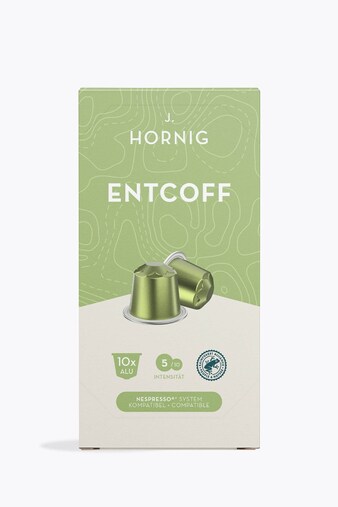

J. Hornig
J. Hornig Entcoff 10 Capsules Nespresso® Compatible
5.00 CHF
87.72 CHF / 1 kg
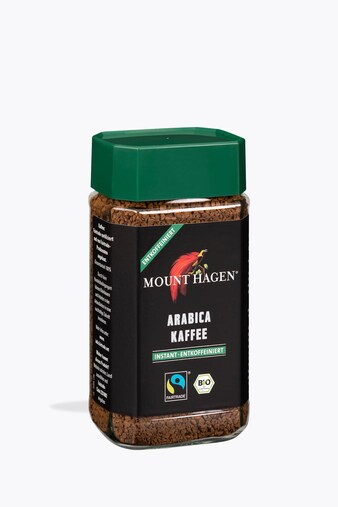

Mount Hagen
Mount Hagen Arabica Instant Coffee Decaffeinated Organic 100g
9.00 CHF
90.00 CHF / 1 kg
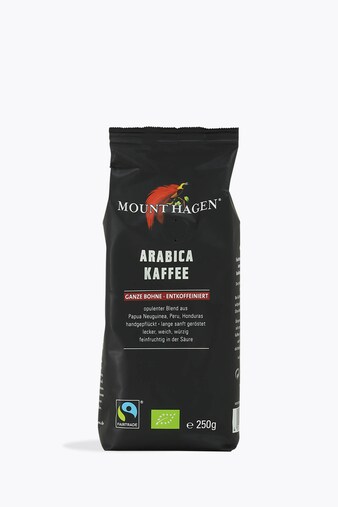


Mount Hagen
Mount Hagen Arabica Coffee Decaffeinated Organic 250g
9.00 CHF
36.00 CHF / 1 kg
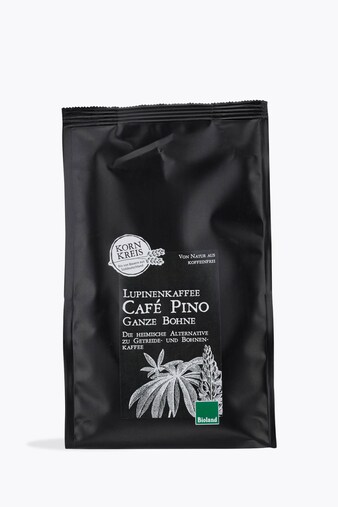

Kornkreis
Kornkreis Café Pino Lupine Coffee Organic 500g
9.00 CHF
18.00 CHF / 1 kg
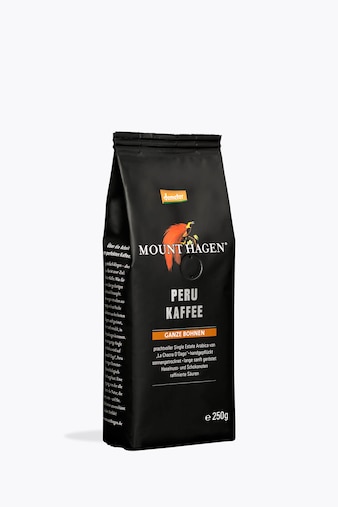


Mount Hagen
Mount Hagen Peru Coffee Organic 250g
9.00 CHF
36.00 CHF / 1 kg
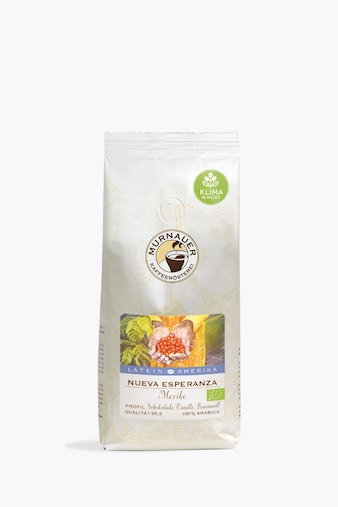


Murnauer
Murnauer Nueva Esperanza Mexico Organic 250g
10.00 CHF
40.00 CHF / 1 kg
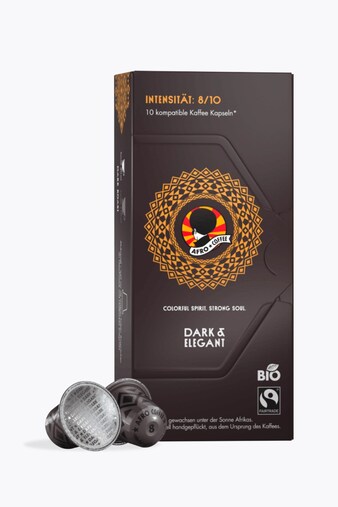

Afro Coffee
Afro Coffee Dark & Elegant Organic 10 Capsules Nespresso® Compatible
7.00 CHF
127.27 CHF / 1 kg
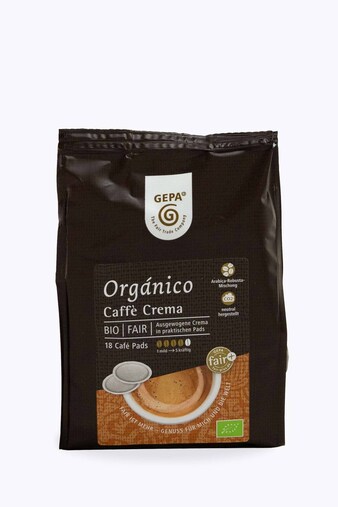

GEPA
GEPA Organic Crema Pads 18 Pads Senseo® Compatible
7.00 CHF
55.56 CHF / 1 kg
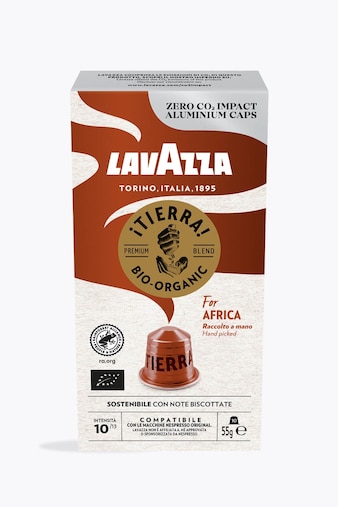

Lavazza
Lavazza Espresso Tierra For Africa Organic 10 Capsules Nespresso® Compatible
6.00 CHF
109.09 CHF / 1 kg
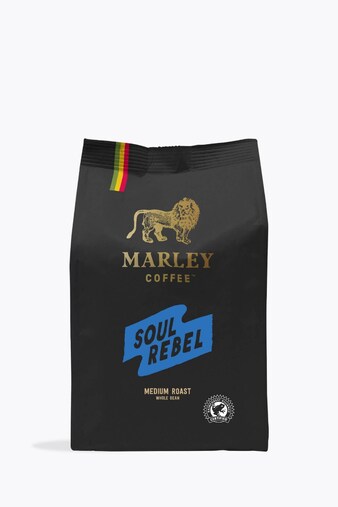


Marley Coffee
Marley Coffee Soul Rebel Medium Roast 227g
8.00 CHF
35.24 CHF / 1 kg
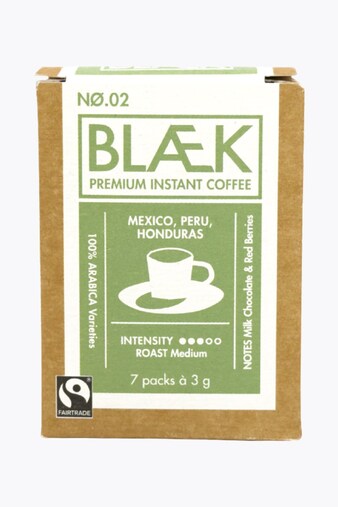

Blaek
BLÆK Organic Instant Coffee No. 2 Peru 21g
6.00 CHF
285.71 CHF / 1 kg
Choosing Organic, Fairtrade & Certified coffee starts with understanding which standards matter for the cup and for the sourcing behind it. This flavor and buying field brings together coffees linked to recognized certification frameworks, clear origin stories, and production standards that help guide selection beyond roast style alone. For many coffee drinkers, that means comparing organic coffee, coffees with Fairtrade credentials, and other certified options alongside body, aroma, and preparation fit. The result is a more informed route into coffee that combines product quality with traceable standards.
Certification does not point to one single taste profile. Some coffees in this field lean toward chocolate notes and nutty notes, while others show more brightness, sweetness, or a softer everyday balance. Origin, roast level, and blend structure still shape the cup in decisive ways, whether the choice falls on whole beans, ground coffee, espresso, or filter coffee. That makes comparison essential for anyone looking not just for a label, but for a coffee that also matches personal taste, preferred intensity, and daily brewing habits.
:format(webp))
Buying decisions in this area depend on two layers at once: certification relevance and practical coffee fit. The first question is which verified standard matters most for the intended purchase. The second is how the coffee performs in the cup and in the chosen setup. Roast level, bean composition, and grind format remain central because they determine whether a coffee is better suited to coffee for espresso machines, coffee for fully automatic coffee machines, or other coffee preparation styles. A strong category choice therefore combines certification clarity with preparation relevance, aroma profile, and everyday usability.
roastmarket supports that process by connecting certification-led coffee choices with the broader setup around brewing method, machine type, and flavor preference. Comparing certified coffees with chocolate notes, nutty notes, coffee machines, coffee grinders, and accessories makes it easier to build a routine that fits both personal standards and practical use. For broader comparison, tasting sets and value packs can help refine the decision across different coffees, preparation styles, and cup profiles.
:format(webp))
Organic, Fairtrade & Certified coffee refers to coffees that meet defined certification standards connected to farming, trade, or production criteria. These standards help create more orientation when comparing coffees, but they do not replace factors such as roast level, origin, flavor profile, or brewing suitability.
Fairtrade coffee is not automatically organic. Fairtrade and organic refer to different certification areas, so some coffees carry both standards while others only carry one. That makes it important to check the product details and certification information instead of assuming they always appear together.
Certified coffee does not follow one fixed flavor profile. Taste still depends on origin, roast style, bean composition, and preparation method. Some certified coffees lean chocolatey and nutty, while others can taste brighter, sweeter, or more balanced in the cup.
There is no single brewing method that fits all certified coffee. The right preparation depends on the individual coffee, its roast level, and whether it is selected for espresso, filter coffee, or fully automatic coffee machines. Whole beans and the right grind setting can make these differences easier to understand.
Whole beans are often the better option when freshness and grind flexibility matter, especially across different brewing methods. Ground coffee can still be practical when the preparation setup is already fixed. The better choice depends more on workflow and brewing style than on certification alone.
The coffee world is constantly evolving. Current trends include Cold Brews, where coffee is extracted cold over many hours, resulting in a particularly smooth finish. "Light Roasts" with fruity notes and "Micro Roasts" from small specialty roasters are also enjoying great popularity. These trends invite experimentation and continually offer new taste experiences.