Novinky v

Xavax
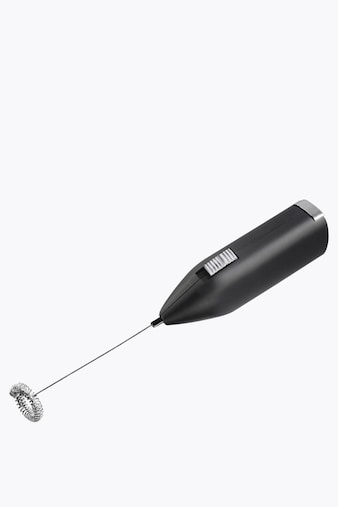
Xavax Milk Frother Milchicopter
-12 %
170,00 Kč194,00 Kč
Xavax
Xavax Milk Frother Milchicopter
170,00 Kč194,00 Kč
SMEG
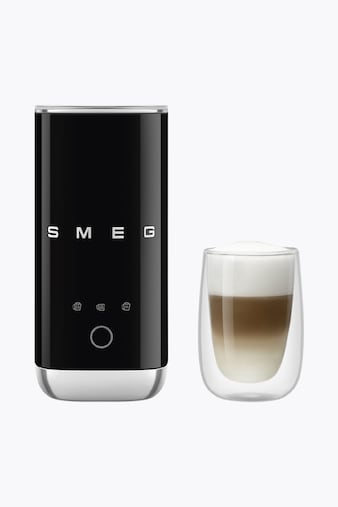
SMEG Milk Frother Black
2 881,00 Kč
SMEG
SMEG Milk Frother White
2 881,00 Kč
SMEG
SMEG Milk Frother Creme
2 881,00 Kč
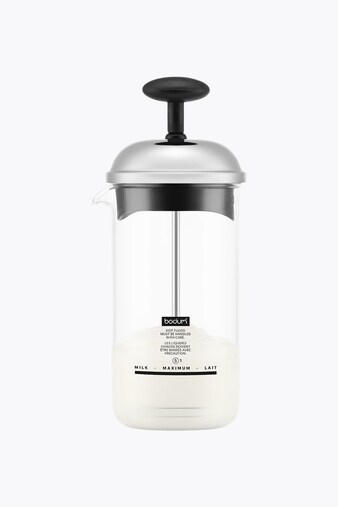

Bodum
Bodum Chambord Milk Frother 80ml
920,00 Kč1 089,00 Kč
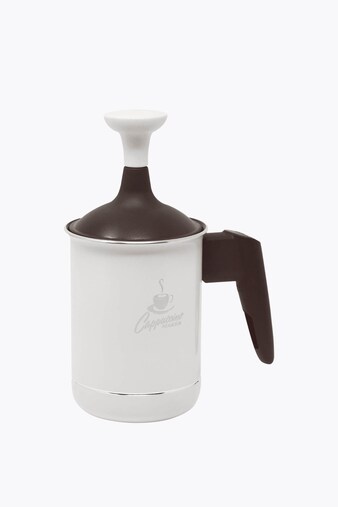

Pedrini
Pedrini manual milk frother
460,00 Kč581,00 Kč
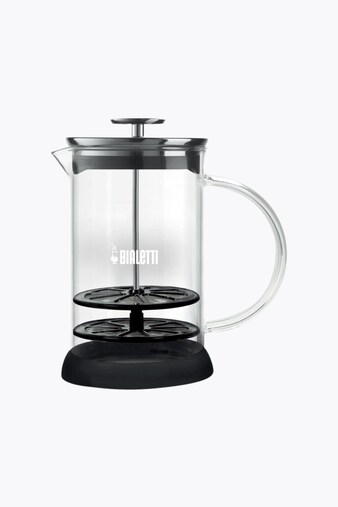

Bialetti
Bialetti Milk Frother Cappuccinatore Glass
436,00 Kč630,00 Kč
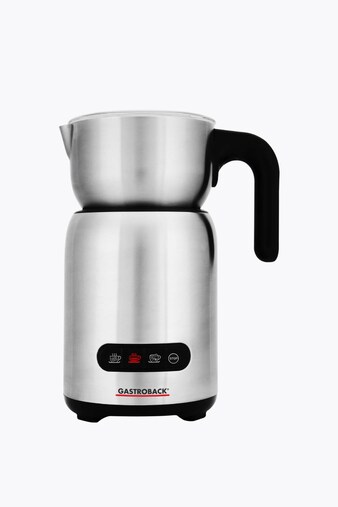

Gastroback
Gastroback Design Milk & Chocolate Advanced
2 977,00 Kč3 510,00 Kč
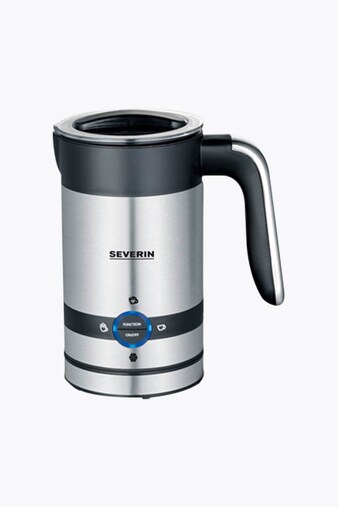

Severin
Severin Milk Frother SM 3584
1 089,00 Kč1 453,00 Kč
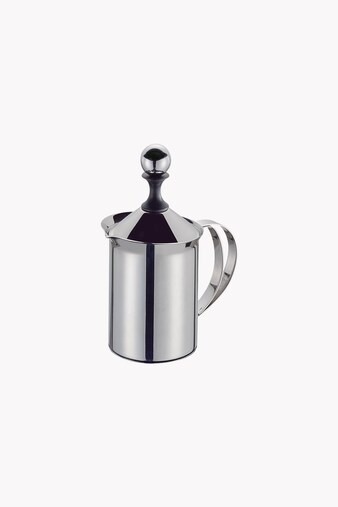

cilio
cilio Cappuccino Creamer Classic 350ml
654,00 Kč968,00 Kč
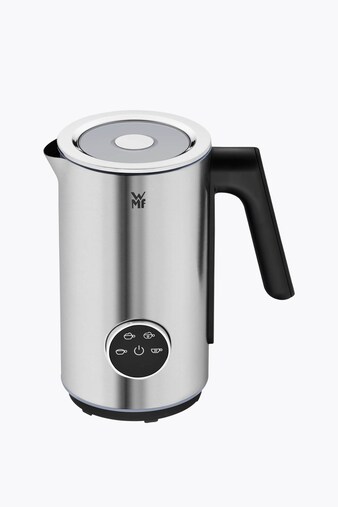

WMF
WMF Milk Frother Lumero
2 106,00 Kč2 784,00 Kč
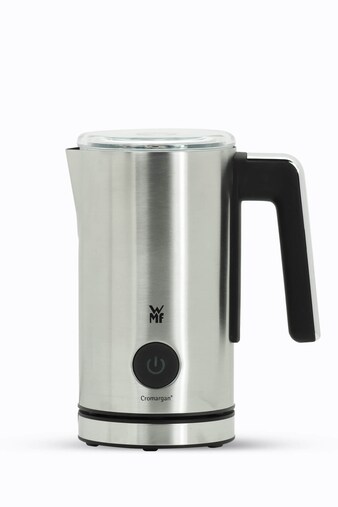

WMF
WMF Milk Frother Stelio
1 380,00 Kč1 937,00 Kč
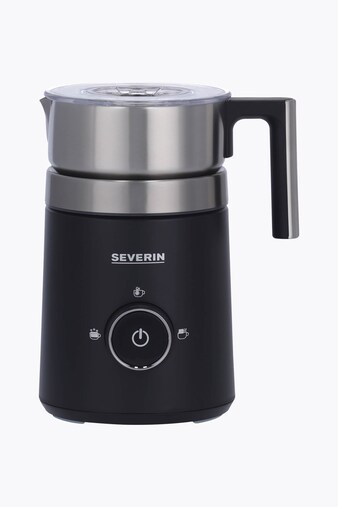

Severin
Severin Milk Frother SM 3585 Induction "Spuma 500"
2 397,00 Kč3 145,00 Kč
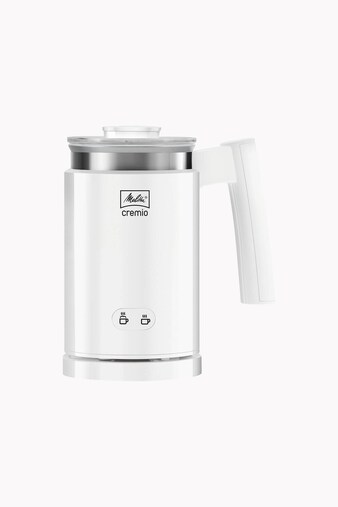

Melitta
Melitta® Cremio Milk Frother White
1 549,00 Kč2 203,00 Kč
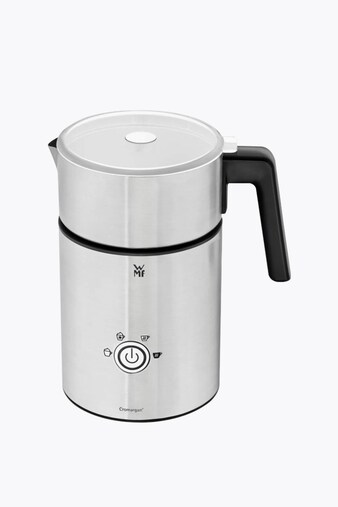

WMF
WMF Lono Milk & Choc Milk Frother
3 123,00 Kč3 292,00 Kč
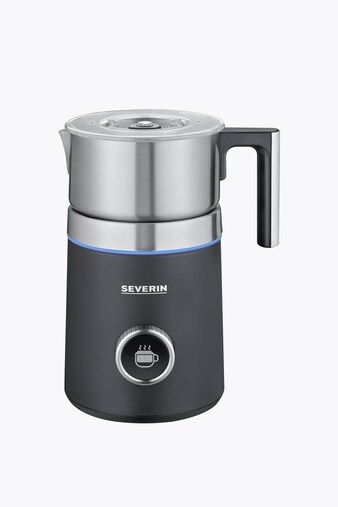

Severin
Severin Induction Milk Frother Spuma 700 Plus
3 050,00 Kč3 970,00 Kč
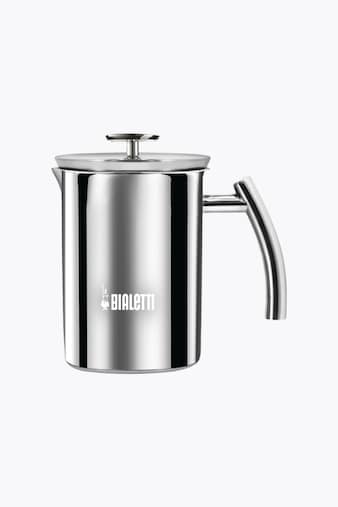

Bialetti
Bialetti stainless steel milk frother Cappuccinatore
847,00 Kč1 329,00 Kč
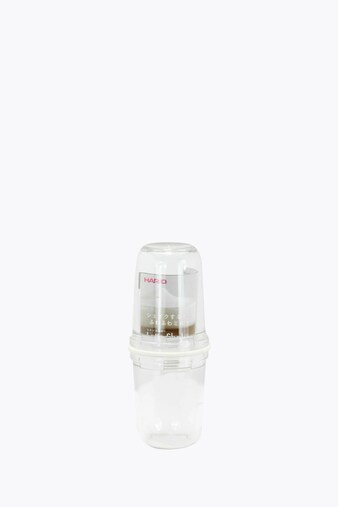

Hario
Hario Latte Shaker Milk Frother White
242,00 Kč460,00 Kč
Milk frothers make it easier to turn hot milk or cold milk into creamy foam for cappuccino, latte macchiato, flat white, or iced coffee drinks without relying on a full espresso machine. The right setup depends on how foam is used from day to day. Some routines call for quick, airy foam for everyday coffee, while others need denser texture for a more polished finish next to espresso. A well-matched frother supports better texture, steadier results, and a smoother workflow at home.
:format(webp))
Different milk frothers suit different coffee habits. Electric models are practical for consistent foam with less effort and are often a strong fit beside fully automatic coffee machines or espresso machines. Handheld frothers work well for smaller servings, quick touch-ups, and flexible use with hot chocolate, matcha, or protein drinks. Manual options appeal when storage space matters or when a simple, low-tech routine feels more natural. The best choice usually comes down to cup size, speed, counter space, and whether the goal is thick foam, finer texture, or cold foam for iced recipes.
Buying the right milk frother starts with practical details. Capacity matters when one drink is enough for most mornings or when several cups are prepared in a row. Stainless steel interiors, durable whisk systems, and clearly defined programs can make daily use more reliable, while easy cleaning is just as important for long-term convenience. Dairy milk and plant-based alternatives can behave differently during frothing, so it helps to look for models designed to handle both smoothly. Shoppers refining a broader setup often compare milk frothers with a coffee grinder, coffee cups, or a dedicated espresso accessories routine to keep preparation consistent.
:format(webp))
A good milk frother becomes more useful when it fits naturally into the rest of a coffee routine. Rich espresso drinks often pair best with coffees selected for coffee for espresso machines, while lighter milk drinks can benefit from balanced whole beans or aromatic filter coffee depending on the preferred cup profile. roastmarket helps narrow that decision by bringing together coffee, coffee machines, coffee makers, accessories, and care products in one place, so a milk-based coffee routine can be adjusted with more confidence and fewer compromises.
The right milk frother depends on daily routine, available space, and the type of foam preferred. Manual models are compact and simple. Electric milk frothers work at the push of a button. Induction models heat and froth milk evenly and usually offer the most convenience for everyday use.
Milk with a solid protein content usually creates the most stable foam. Whole milk often produces a creamy texture, while lower-fat milk can feel lighter and airier. Chilled milk is a good starting point because it gives the milk frother more time to build an even foam structure.
Rinse the container, whisk, or insert with warm water right after use. This helps prevent milk residue from drying on the surface. Many milk frothers have dishwasher-safe parts, but the best cleaning method depends on the model and the manufacturer’s care instructions.
Yes, many plant-based drinks can be frothed in a milk frother. Barista versions made from oat, soy, or almond are often designed for a more stable foam. The exact result depends on the recipe and protein content, so trying different options helps identify the best match for coffee drinks.
Classic electric milk frothers usually heat milk with an integrated heating element and foam it with a whisk attachment. Induction milk frothers use induction-based heating for more even temperature control. They are often quieter, easier to clean, and can prepare both warm and cold milk foam depending on the model.


